

Forex Account Funding Methods
Forex Account Funding Methods: a practical, no-hype guide for general readers from Forextoolstrader Com.

In the dynamic world of forex trading, securing profits is only one part of the equation; equally vital is the efficient and secure management of funds into and out of your trading account. The choice of funding method has practical implications that can directly impact a trader's operational efficiency, cost effectiveness, and overall security posture. This article provides a comparative analysis of the most popular forex account funding methods, evaluating their practical implications, security protocols, transaction speed, and associated costs from the perspective of a trading platform user.
Understanding the Importance of Secure and Efficient Forex Account Funding
For any forex trader, the ability to deposit funds quickly and securely, and to withdraw profits without undue delay or excessive fees, is not merely a logistical convenience but a fundamental pillar of effective risk management and capital utilization. In a market characterized by rapid price movements and tight margins, delays in funding can mean missed trading opportunities, while insecure methods can expose capital to fraud or theft. A robust funding strategy ensures that a trader's capital is always accessible when needed, protected from threats, and not eroded by unnecessary expenses.
Traditional Funding Methods: A Deeper Look at Bank Wires and Cards
Traditional funding methods, primarily bank wire transfers and credit/debit card payments, remain widely used and form the backbone of many traders' financial operations. Bank wire transfers, despite their age, are favored for large deposits due to their high transaction limits and perceived security. Funds are moved directly from your bank account to the broker's segregated client account. Conversely, credit and debit cards, predominantly Visa and Mastercard, offer near-instant deposit capabilities. This immediate access to funds is a significant advantage, particularly for smaller, more frequent deposits. However, card payments often come with lower maximum deposit limits compared to wire transfers, and some banks may flag or even decline transactions to forex brokers due to regulatory concerns or their own internal policies.
Digital Wallets and E-Payment Systems for Forex Traders
These services act as an intermediary, allowing traders to fund their e-wallet from various sources (bank account, cards) and then transfer funds instantly to their forex broker with just a few clicks. Transactions typically clear within minutes, making them ideal for urgent deposits or withdrawals. While generally secure, relying on a third-party service means entrusting your funds to their security protocols, and some brokers may have specific limits or conditions on e-wallet usage.
Exploring Cryptocurrency Funding Options: Benefits and Drawbacks
Methods using Bitcoin, Ethereum, Litecoin, and stablecoins like USDT or USDC are increasingly offered by brokers, particularly those catering to a tech-savvy, global audience. For some, the pseudo-anonymity offered by crypto transactions is also appealing. Security, while robust on the blockchain itself, depends heavily on the trader's ability to secure their own crypto wallets and transactions. The risk of irreversible transactions means that any error in sending funds cannot be undone.
Specialized Local and Regional Payment Solutions
Beyond global methods, many forex brokers integrate specialized local and regional payment solutions to cater to their specific client bases. They are designed for quick and seamless transfers, often providing instant confirmation of deposits. The major limitation, however, is their geographical restrictiveness. A payment method popular and efficient in one country might be entirely unavailable or impractical in another.
What are the primary funding methods available for forex trading accounts, and how do they compare in terms of security and speed?
Each category presents a distinct profile in terms of security and speed. However, their speed is the slowest, typically ranging from one to five business days. Credit and debit cards offer excellent speed, with deposits often processed instantly. Their security is also robust, backed by banking fraud protection and encryption, though they involve sharing card details with the broker. Digital wallets strike a balance, offering near-instant deposits and withdrawals, usually within minutes to hours. Their security relies on the e-wallet provider's robust encryption and fraud prevention systems, coupled with user-level authentication. Cryptocurrency funding, while potentially very fast (minutes for network confirmations), introduces a different security paradigm. For security, all regulated methods offer a degree of protection, but card payments and digital wallets often provide strong user-side fraud resolution, while crypto security is highly dependent on user competence.
Key Considerations for Choosing Your Funding Method (Fees, Speed, Limits, Security, Platform Support)
Selecting the optimal forex funding method requires careful consideration of several interconnected factors. Fees are a critical component, encompassing deposit fees, withdrawal fees, and currency conversion charges. While many brokers offer free deposits, withdrawal fees can range from a fixed amount to a percentage of the transaction. International bank wires, for example, often incur both sender and receiver bank fees, while e-wallets might charge for transfers to and from the wallet itself. Currency conversion fees are levied when your funding currency differs from your trading account's base currency. Conversely, withdrawal speed impacts how quickly you can access your profits. Limits refer to the minimum and maximum amounts you can deposit or withdraw per transaction, daily, or monthly. These vary significantly by method and broker. Traders with larger capital might prefer bank wires for their high limits, while those making smaller, frequent transactions might opt for cards or e-wallets. Security involves assessing the safety of your funds and personal data. This includes encryption protocols, fraud prevention measures, regulatory oversight of the payment provider, and the broker's own segregated accounts policy. Finally, Platform Support refers to which funding methods your chosen broker actually facilitates. Not all brokers support all methods, and the availability can vary by region. It is essential to choose a forex broker that supports a diverse range of funding methods that align with your preferences and location.
What are the typical fees associated with different forex funding methods, and how can traders minimize these costs?
Fees associated with forex funding methods vary widely, impacting a trader's net profitability. Bank wire transfers often incur the highest fees, typically ranging from $20 to $50 per transaction for international transfers, charged by both the sending and receiving banks, plus potential intermediary bank fees. Credit and debit card deposits are often free from the broker's side, but some payment processors or banks might apply small charges, particularly for foreign transactions. E-wallets like Skrill and Neteller usually offer free deposits to brokers, but withdrawing funds from the e-wallet to a bank account or card can involve fees, typically 1-3%. Cryptocurrency transactions have network fees (gas fees) which fluctuate based on network congestion, and brokers may also charge a small percentage for conversion. Currency conversion fees are common across all methods if your deposit currency differs from your trading account's base currency, usually around 0.5-2.5% above the interbank rate. To minimize these costs, traders can: 1. Use funding methods that offer free deposits and withdrawals by the broker. 2. Fund and withdraw in the same currency as their trading account to avoid conversion fees. 3. For bank wires, opt for larger, less frequent transfers to reduce the per-transaction cost. 4. 5. Be aware of hidden fees from your own bank or card provider for international transactions. 6. Regularly review your broker's funding fee schedule, as these can change.
How Trading Platforms Integrate and Support Diverse Funding Options
A well designed platform offers a seamless and intuitive user interface for managing deposits and withdrawals. This integration involves establishing secure connections with various payment processors and banking networks. When a trader initiates a deposit or withdrawal, the platform securely transmits the request and relevant data (e.g., amount, method, account details) to the payment provider. Crucially, brokers must adhere to stringent Anti-Money Laundering (AML) and Know Your Customer (KYC) regulations, meaning that all funding activities are typically linked to verified accounts and, for withdrawals, funds are often returned to the original source of deposit. This "return to source" policy is a common security measure. Different brokers will prioritize different payment methods based on their target demographics, operational costs, and regulatory licenses. For instance, an ECN forex broker might offer a wider array of institutional-grade funding options alongside retail ones, focusing on speed and efficiency. The platform's backend infrastructure manages the processing status, notifies the trader, and updates the account balance. Delays can occur not just with the payment provider, but also due to the broker's internal processing times for verification and manual checks, particularly for withdrawals. Traders should always expect a degree of processing time on the broker's end, regardless of the instant nature of some payment methods. Effective platform support also means providing clear instructions, troubleshooting guides, and responsive customer service for funding-related inquiries.
Best Practices for Funding and Withdrawing from Your Forex Account
Adhering to best practices for funding and withdrawing from your forex account is essential for maintaining smooth operations and safeguarding your capital. First, always verify your broker's specific policies and terms and conditions regarding deposits and withdrawals, including processing times, fees, and documentation requirements, before initiating any transaction. Second, strive for consistency in funding methods; due to AML regulations, brokers typically require withdrawals to be made via the same method and to the same account used for the initial deposit, up to the deposited amount. Profits beyond the initial deposit often need to be withdrawn via bank wire. Third, maintain meticulous records of all transactions, including dates, amounts, methods, and any transaction IDs, for future reference or dispute resolution. Fourth, prioritize security measures by using strong, unique passwords, enabling two-factor authentication (2FA) wherever available on both your trading platform and payment service accounts. Be wary of phishing attempts or unsolicited requests for payment details. Fifth, plan your withdrawals strategically, especially if they are large or time-sensitive, accounting for potential processing delays. Understand the implications of different forex margin account types on your available withdrawal funds. Lastly, be prepared for potential challenges such as failed transactions, delays, or additional documentation requests (e.g., proof of address, source of funds). Most issues can be resolved by carefully reviewing transaction details and promptly contacting your broker's support team with all relevant information. Understanding these common challenges and how to resolve them proactively can save significant time and stress.
What critical factors should a forex trader consider when selecting the most appropriate funding method for their account?
When selecting the most appropriate funding method for their forex account, a trader must weigh several critical factors to align the choice with their individual trading strategy and financial circumstances. Traders should seek methods with transparent and minimal fees. The limits imposed by the funding method and the broker (minimums, maximums per transaction, daily, monthly) must align with the trader's capital size and frequency of transactions. For instance, funding a large account may necessitate bank wires. Security and reliability are non-negotiable; traders must choose methods with robust encryption, fraud protection, and a history of reliable service. This also extends to the broker's own security protocols. Convenience and accessibility are important for a smooth user experience; the method should be easy to use and readily available in the trader's geographical region. Traders should also consider the reputation of the payment provider and any potential currency conversion risks if the funding currency differs from the account's base currency. A comprehensive understanding of the fed policy outlook can also indirectly influence capital decisions and funding method choices by impacting currency stability.
What are the common challenges or restrictions encountered when funding or withdrawing from a forex account, and how can they be resolved?
Forex traders often encounter several common challenges and restrictions when managing their account funds. One frequent issue is failed deposits or withdrawals. This can stem from incorrect payment details, insufficient funds, exceeding transaction limits, or banking restrictions (e.g., some banks block transactions to online brokers). Resolution involves double-checking all input information, ensuring sufficient funds, verifying limits with the broker and payment provider, and contacting your bank to inquire about any specific restrictions. Another common challenge is processing delays. While some methods advertise instant transfers, internal broker processing, bank holidays, or payment network congestion can cause delays. Patience is often required, but if delays exceed the advertised timeframe, contacting the broker's support with transaction IDs is the next step. Verification and documentation requests are frequent, especially for withdrawals, as part of KYC/AML compliance. Brokers may ask for proof of identity, address, or source of funds. Traders should be prepared to provide these documents promptly to avoid delays. "Return to source" restrictions often limit withdrawals to the original deposit method and amount, with profits needing an alternative method like a bank wire. Understanding this policy upfront prevents frustration. Currency conversion issues arise when funding in one currency and holding an account in another, leading to unexpected fees or unfavorable exchange rates. Using a funding method that supports your account's base currency or a broker that offers competitive conversion rates can mitigate this. Finally, geographic restrictions mean certain payment methods are unavailable in specific countries due to regulatory or operational reasons. Traders must verify available methods based on their residency. Proactive communication with the broker, thorough documentation, and understanding the terms are key to resolving most challenges.
Making an Informed Choice: Selecting the Right Method for Your Trading Needs
Choosing the right forex account funding method is a highly individualized decision, deeply interwoven with a trader's personal financial preferences, trading strategy, and geographical location. There is no universally "best" method; rather, the optimal choice is one that balances security, speed, cost effectiveness, and convenience for your specific circumstances. For high-frequency traders or those operating with tight margins, the immediacy of credit/debit cards or digital wallets might be prioritized, even if it entails slightly higher per-transaction fees or lower limits. Conversely, traders making larger, less frequent deposits might find bank wire transfers, despite their slower pace and higher fixed fees, more suitable due to their high limits and robust institutional security. Consider also the implications of various forex margin account types on your capital management. Evaluate the potential for currency conversion fees, especially if you trade in a different currency than your primary banking. Ultimately, an informed choice involves a careful assessment of all these factors, weighed against your individual risk tolerance, desired liquidity, and willingness to navigate different payment systems. It is often prudent to have a primary funding method and one or two reliable alternatives for flexibility, ensuring that your capital management remains as agile and secure as your trading decisions.
- forex funding
- payment methods
- forex trading
- deposits
- withdrawals
- broker review
Related coverage
 ReviewReviews
Aptus Invest review: multi-market tools and tiered accounts under the microscope
Aptus Invest advertises a multi-market platform, charting and five account tiers. Here is what looks useful on paper—and what to independently verify first.
 ReviewReviews
AptusTrade review: MT5 access and account options, with checks before funding
AptusTrade presents MT5, browser-based trading and a six-tier account range. We look at the useful features and the important identity checks to make before depositing.
 ReviewReviews
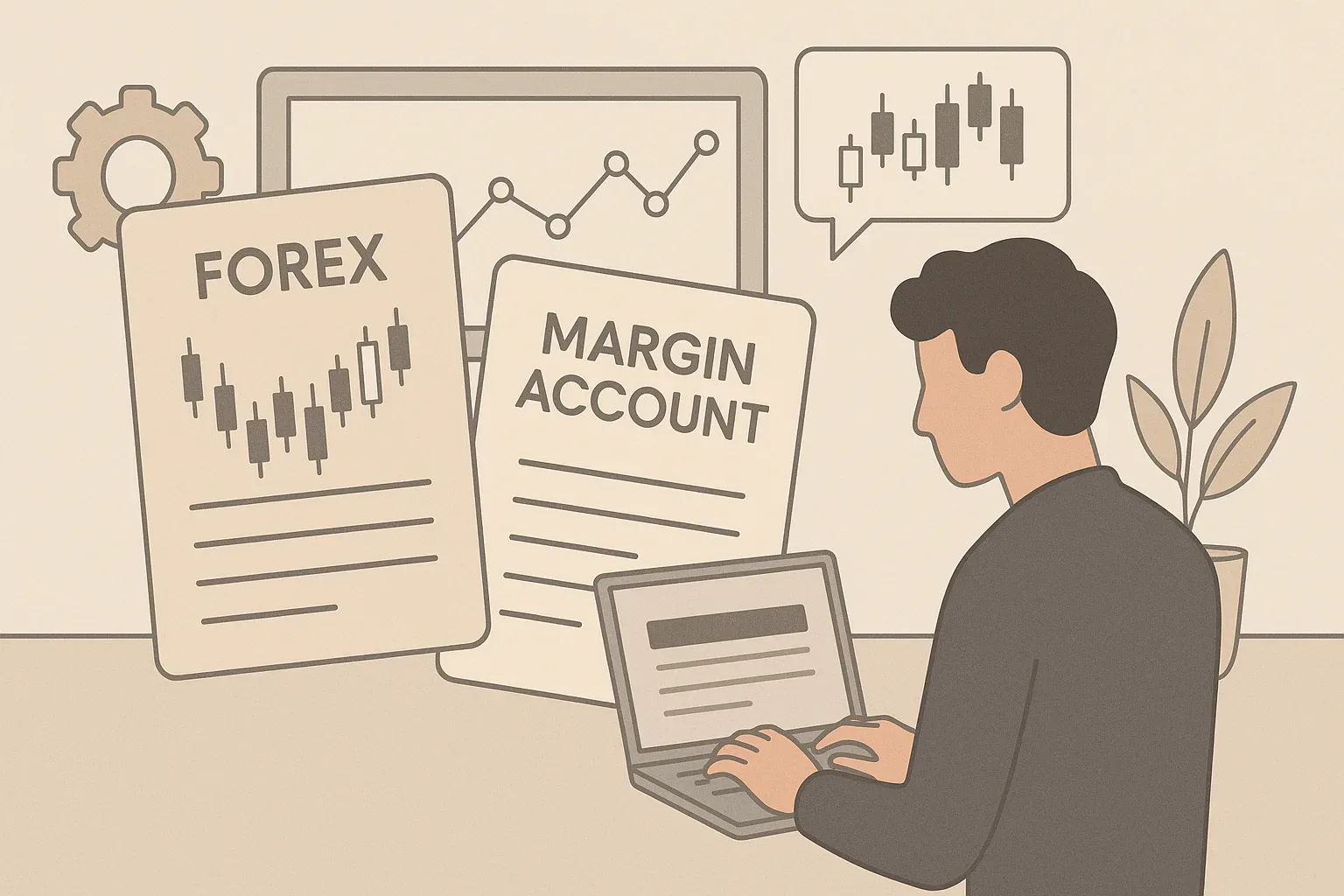
Forex Margin Account Types
This article offers a practical, in-depth guide to various forex margin account types, detailing their specific features and strategic implications for traders using different platforms reviewed by Forextoolstrader.com.