

Forex Broker Licensing Requirements
Forex Broker Licensing Requirements: a practical, no-hype guide for readers from Forextoolstrader Com.
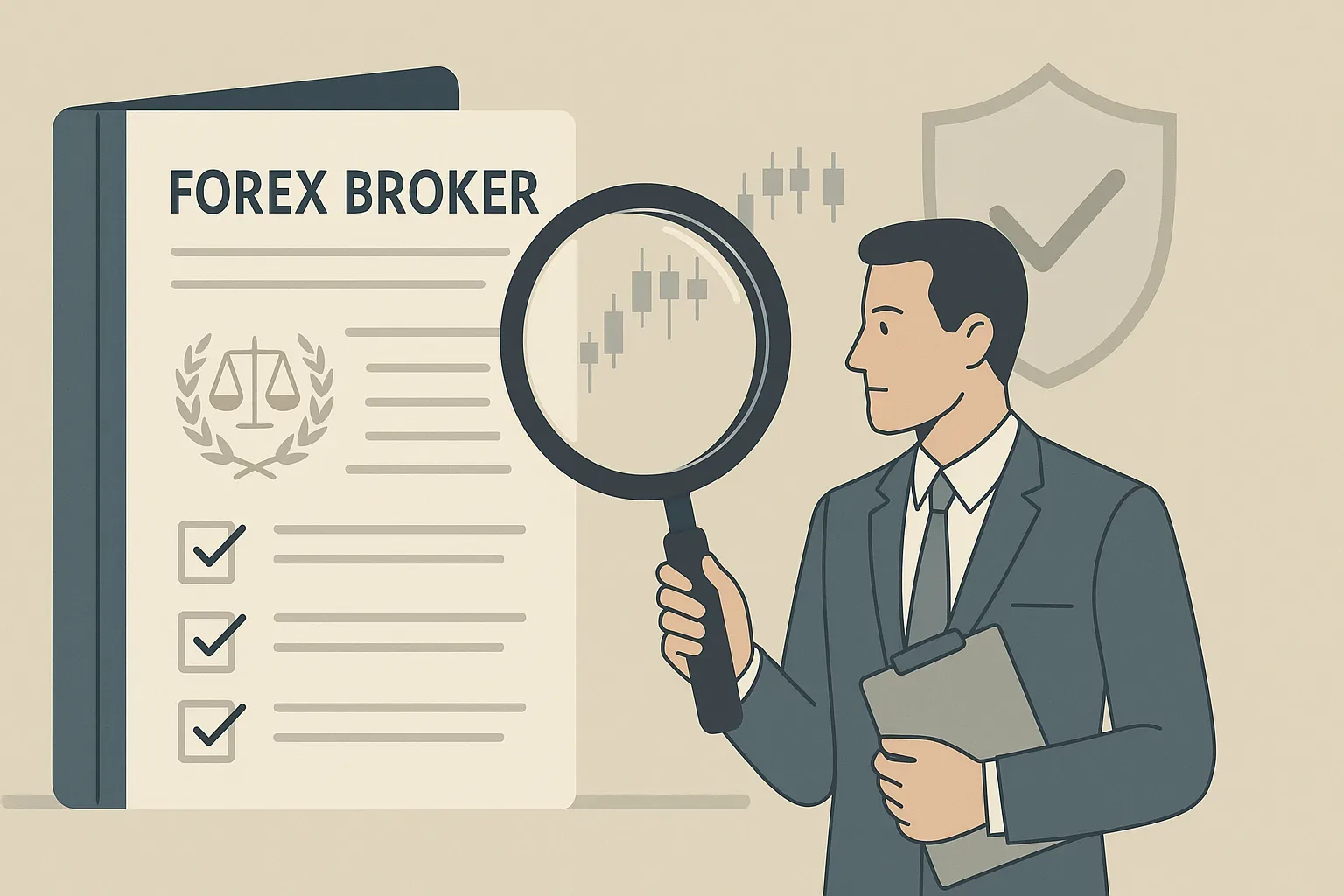
In the dynamic and often complex world of forex trading, the allure of potential profits is undeniable.
Understanding Forex Broker Licensing: What It Is and Why It Matters
Forex broker licensing refers to the official authorization granted by a government-appointed regulatory body that permits a brokerage firm to legally operate and offer forex trading services within a specific jurisdiction. This permission is not a mere formality; it represents a commitment by the broker to adhere to a stringent set of rules, standards, and oversight mechanisms designed to protect clients and maintain market integrity. For traders, this translates directly into a safer trading environment. Without proper licensing, a broker operates outside legal frameworks, exposing clients to significant risks such as misappropriation of funds, unfair trading practices, and a complete lack of recourse in case of disputes or financial insolvency. Therefore, understanding what licensing entails and why it is indispensable is the first step toward a secure trading journey.
Key Global Regulatory Bodies and Their Core Licensing Requirements
Globally, several prominent regulatory bodies stand as guardians of the financial markets, each imposing their own rigorous licensing requirements. The most respected and stringent include: the Financial Conduct Authority (FCA) in the United Kingdom, the Cyprus Securities and Exchange Commission (CySEC) within the European Union, the Australian Securities and Investments Commission (ASIC), and in the United States, the National Futures Association (NFA) and the Commodity Futures Trading Commission (CFTC). Other notable regulators include BaFin in Germany and FINMA in Switzerland. These bodies mandate various core requirements for licensees, typically encompassing substantial capital adequacy to ensure financial stability, strict segregation of client funds from operational company funds, regular financial audits and reporting, robust internal controls to prevent fraud, transparent pricing and execution policies, and the implementation of effective client dispute resolution mechanisms. Adherence to these requirements aims to foster a transparent, fair, and reliable trading environment for all participants.
Why Regulation is Non-Negotiable for Trader Safety and Fund Security
Regulation serves as the bedrock of trader safety and fund security in the forex market. Without it, traders are left vulnerable to a myriad of potential abuses. The non-negotiable aspects of regulation include mandated fund segregation, which ensures that a client's capital is held in separate bank accounts from the broker's operating funds, making it inaccessible to creditors should the broker face insolvency. Regulation also compels brokers to adhere to transparent pricing and fair order execution practices, minimizing risks like manipulation or excessive slippage. Finally, regulated brokers offer formal channels for dispute resolution, providing traders with an avenue to address grievances effectively, a stark contrast to the often insurmountable challenges faced when dealing with unregulated entities.
Decoding Different Licensing Tiers and Jurisdictions: What They Mean For You
Forex broker licenses are not all created equal; they vary significantly in their stringency and the level of protection they offer, often categorized into tiers based on the reputation and regulatory oversight of the issuing jurisdiction. Tier 1 licenses, such as those from the UK (FCA), USA (NFA/CFTC), Australia (ASIC), Switzerland (FINMA), or Japan (JFSA), are considered the gold standard, demanding high capital requirements, strict compliance, and offering comprehensive investor protection. These jurisdictions often impose limitations on leverage, reflecting a conservative approach to risk management. Tier 2 licenses, originating from reputable EU countries like Cyprus (CySEC) or Malta (MFSA), or from regions like South Africa (FSCA) and the UAE (DFSA), still provide robust oversight but might offer slightly more flexible trading conditions, including sometimes higher leverage within the ESMA guidelines for EU regions. Tier 3 licenses, often from offshore jurisdictions like Belize (IFSC), Mauritius (FSC), or Seychelles (FSA), typically have lower entry barriers, less stringent oversight, and consequently, offer less protection for traders. While these jurisdictions may allow for higher leverage and easier account opening, they come with significantly increased risk. The choice of jurisdiction directly impacts the leverage available, the extent of investor protection, the effectiveness of dispute resolution, and the overall reliability of the trading experience.
Practical Steps: How to Verify a Forex Broker's License Status
First, visit the broker's official website and look for clear disclosure of their regulatory status, including the name of the regulatory body, the license number, and the registered company name. Be wary of vague claims or easily overlooked information. Second, and most importantly, navigate directly to the official website of the stated regulatory body. Once on the regulator's site, locate their public register or license lookup tool. Here, you should search for the broker using both their full company name and the provided license number. Any discrepancies or an inability to find the broker on the official register are significant red flags.
Red Flags: Identifying Unregulated or Suspicious Forex Brokers
The most obvious is the absence of any visible licensing information on their website, or vague claims of being "regulated" without specifying the authority or license number. High-pressure sales tactics, where agents insist you deposit large sums or discourage withdrawals, are also major warning signs. Brokers that lack clear contact information, such as a physical address, phone numbers, or responsive customer support, should be avoided.
The Impact of Regulation on Trading Conditions and Broker Offerings
While unregulated brokers might offer higher leverage, this comes at the cost of diminished safety. Regulatory oversight also directly mandates fund protection measures like segregated accounts and negative balance protection, which are often absent with unregulated entities. The overall transparency standards, requiring clear risk warnings, terms and conditions, and a full understanding of order execution, are also a direct result of regulatory demands. This ensures that traders are fully aware of the risks involved. Brokers operating under strict regulatory frameworks are also more likely to offer an ECN forex broker features model, prioritizing direct market access and fair execution, compared to less transparent models sometimes found with unregulated firms. The impact extends to the range of instruments offered, with regulators sometimes restricting access to highly volatile or complex products for retail traders, again with the aim of protection.
Choosing a Licensed and Reputable Broker for Your Trading Goals
Choosing a licensed and reputable broker is one of the most important decisions a forex trader will make, directly influencing the security and viability of their trading journey. To align with your trading goals, prioritize brokers regulated by top-tier authorities relevant to your geographic location. A strong regulatory license should be the foundational criterion, followed by a thorough evaluation of the broker's reputation, which can be gauged through industry reviews, forums, and the broker's operational history. Assess the trading conditions carefully, considering factors like spreads, commissions, available leverage, and execution speed, always within the context of the regulatory framework. For instance, if you prioritize low spreads, ensure the broker maintains those under regulatory scrutiny. Ensure the broker provides multiple secure and convenient deposit and withdrawal methods, along with transparent policies regarding these transactions. Ultimately, a broker that combines strong regulatory compliance with competitive offerings and excellent service will provide the most secure and effective environment for achieving your trading objectives.
Conclusion: Prioritizing Regulatory Compliance in Your Broker Selection
The journey through the forex market is filled with opportunities and challenges, but the most critical safeguard a trader possesses is the choice of a properly licensed and regulated broker. As you embark on or continue your forex trading endeavors, remember that prioritizing regulatory compliance in your broker selection is not merely a recommendation; it is an absolute necessity. It serves as your primary defense against potential malpractices and secures your financial future in the competitive world of currency trading.
What exactly are forex broker licensing requirements and why are they necessary for traders?
Forex broker licensing requirements are the mandatory rules and standards imposed by governmental financial authorities that a brokerage firm must meet to legally offer currency trading services. These requirements cover aspects like capital adequacy, client fund segregation, transparency, and dispute resolution. They are necessary for traders primarily because they establish a framework of protection against fraud, mismanagement, and unethical practices. Licensing ensures brokers operate with integrity, safeguards client funds by separating them from company assets, provides recourse in case of disputes, and promotes market stability and fairness, ultimately offering a secure and reliable trading environment.
Which major regulatory bodies govern forex brokers globally, and what are their primary mandates for licensee compliance?
Several major regulatory bodies govern forex brokers globally, each with significant influence. Key examples include the Financial Conduct Authority (FCA) in the UK, the Cyprus Securities and Exchange Commission (CySEC) in the EU, the Australian Securities and Investments Commission (ASIC), and in the USA, the National Futures Association (NFA) and the Commodity Futures Trading Commission (CFTC). Their primary mandates for licensee compliance typically include stringent capital requirements to ensure financial solvency, the segregation of client funds in separate bank accounts, adherence to anti-money laundering (AML) and know-your-customer (KYC) procedures, regular financial reporting and auditing, implementation of internal controls, transparent disclosure of trading conditions and risks, and the establishment of fair and efficient dispute resolution mechanisms.
How can a forex trader effectively verify a broker's regulatory status and license through official channels?
A forex trader can effectively verify a broker's regulatory status and license through official channels by directly consulting the website of the relevant regulatory authority. This involves obtaining the broker's stated license number and company name from their website, then navigating independently to the official regulator's online public register or license lookup tool. Traders should search for the broker using the provided details and meticulously cross-reference all information, including the company name, license number, and the regulated website domain, to ensure it matches the broker's operational details. Relying solely on information or links provided by the broker itself is not advised.
What are the significant risks associated with trading through an unlicensed or poorly regulated forex broker?
The primary risks include the potential for fund misappropriation, where client deposits are not segregated and can be used for the broker's operational expenses or even stolen, with no legal recourse. There is a high risk of unfair trading practices, such as manipulated prices, excessive slippage, or frequent requotes, as there is no oversight to enforce fair execution. Traders often face difficulties or outright inability to withdraw their funds. Lack of transparency regarding fees, terms, and risk disclosures also puts traders at a significant disadvantage, exposing them to hidden costs and unexpected liabilities.
How do licensing requirements directly influence a broker's trading conditions, leverage, and fund protection measures?
Licensing requirements directly influence a broker's trading conditions, leverage, and fund protection measures by imposing mandatory standards and limitations. Strong regulatory bodies often cap the maximum leverage available to retail traders (e.g., 1:30 for major currency pairs in the EU), aiming to mitigate excessive risk. Regarding fund protection, regulations mandate the segregation of client funds from the broker's operational capital, ensuring client money is safe even if the broker goes bankrupt. Many also require negative balance protection, preventing traders from incurring losses beyond their initial deposit. For trading conditions, licensed brokers are typically required to adhere to best execution policies, ensuring fair pricing and minimal slippage. They also must maintain transparency regarding spreads, commissions, and other fees, providing clearer cost structures. These requirements ensure a more secure, fair, and transparent trading environment compared to unregulated counterparts.
- forex
- regulation
- licensing
- broker
- safety
- compliance
- trader protection
Related coverage
 ReviewReviews
Forex Broker Transparency Standards
Forex Broker Transparency Standards: a practical, no-hype guide for readers from Forextoolstrader Com.
 ReviewReviews
Raxon24 Erfahrungen: Broker-Test von Plattform, Konten und Konditionen
Wir haben Raxon24 (raxon24.com) geprüft: Kontoeröffnung, Handelsplattform, Kontomodelle, Spreads, Gebühren, Ein- und Auszahlungen sowie Support im Überblick.
 ReviewReviews
Ecn Forex Broker Features
Ecn Forex Broker Features: a practical, no-hype guide for readers from Forextoolstrader Com.